
There’s a very specific kind of moment in early parenthood that catches almost everyone off guard. Your baby finishes feeding. They seem calm, maybe even sleepy, settled in your arms. And then – milk comes back up. Sometimes it’s a small dribble, sometimes more than expected, and sometimes it feels like a full feed has ended up on your shoulder, the couch, or a freshly changed outfit. If you’ve ever wondered “why does my baby spit up so much” or whether newborn spit-up or infant reflux is normal after feeding, you are far from alone. It’s easy in that moment to wonder if something is wrong, if your baby kept enough milk down, or if you’re somehow causing it without realizing.
But here’s the reassuring truth backed by pediatric guidance: in most babies, infant reflux and spitting up after feeding are a normal part of early development and usually not a sign of illness or feeding problems. Large pediatric sources like the American Academy of Pediatrics, Mayo Clinic, and Cleveland Clinic all describe infant reflux and spitting up as extremely common in the first months of life as a baby’s digestive system matures.
Still, knowing something is “normal” does not automatically make it feel less stressful at 2 a.m. So let’s make this practical.

What is Baby Spit-Up?
Baby spit-up is when a small amount of breast milk or formula comes back up from the stomach after feeding. You might notice milk dribbling from your baby’s mouth after nursing, a milky burp after a bottle feed, or milk flowing back up when you pick your baby up after eating.
Medically, spit-up is often considered a mild form of infant reflux, also called gastroesophageal reflux (GER). In healthy babies, this is very common during the first months of life and usually improves naturally with time.
Spit-up may look white, milky, or slightly curdled. Curdled spit-up is usually normal and simply means the milk mixed with stomach acid before coming back up.
Spit-up vs Vomiting: Why the Difference Matters
Spit-up is usually gentle and effortless. Milk may dribble out after feeds or burping, and babies often remain calm and comfortable afterward.
Vomiting is more forceful and sudden, and babies may appear uncomfortable, or distressed.
Projectile vomiting, where milk shoots out forcefully, is not considered typical infant spit-up and should be discussed with a healthcare professional.
Is It Normal for Babies to Spit Up?
Most babies spit up regularly in the first months of life. Spitting up after feeding is especially common in newborns and young infants because the digestion is still developing. Many babies even spit up after nearly every feeding during certain phases, particularly between 2 and 4 months, when infant reflux often peaks.
As long as your baby is:
- feeding well
- gaining weight appropriately
- having regular wet diapers,
- generally comfortable between feeds
spit-up is usually not a concern.
One thing that surprises many new parents is how dramatic spit-up can look. A small amount of milk spreads quickly across clothing or sheets and can seem much larger than it actually is. Doctors sometimes refer to babies who spit up frequently but continue growing and acting content as “happy spitters.”
Why Does My Baby Spit Up So Much?
Several normal developmental things are happening at the same time.
Your baby’s digestive system is still maturing, especially the small muscle between the esophagus and the stomach that helps keep milk down after feeds. In the early months, that muscle does not stay tightly closed all the time yet, making it easier for milk to come back up.
At the same time, your baby’s stomach is still very small and fills quickly. Even a normal feed can bring it close to full capacity. So when there’s a little added pressure from burping, movement, hiccups, gas, or being laid down too quickly, some milk can flow back up.
Feeding is also still a learning process. Babies are coordinating sucking, swallowing, and breathing for the first time, and they often swallow air along the way. That trapped air has to escape somehow, and sometimes it brings milk back up with it.
Some breastfed babies spit up more during periods of fast letdown or oversupply, when milk flows very quickly during nursing. Bottle-fed babies may also spit up more if the bottle nipple flow is too fast or if feeds become rushed.
Frequent spit-up does not mean anything is wrong with your baby or that you’re feeding incorrectly. In most cases, it is simply part of an immature digestive system learning how to work more smoothly.
What “Normal” Spit-Up Looks Like
One of the most important things to understand is that frequent spit-up can still be completely normal. Many parents worry that frequent spit-up means their baby isn’t getting enough milk, but there are usually clearer signs to look for.
Some babies spit up only occasionally, while others spit up after nearly every feed for a period of time. Both can be healthy patterns.
Typical spit-up:
- happens shortly after feeding
- looks like small amounts of milk or curdled milk
- is not forceful
- does not seem painful for the baby
- gradually improves with age
Most babies improve significantly as they grow, especially once they begin sitting more upright and transitioning toward solids. For many infants, spit-up noticeably reduces between 6 and 12 months.
Does Infant Reflux Hurt Babies?
Many babies spit up and continue feeding, smiling, or sleeping comfortably afterward. However, some babies with more uncomfortable reflux symptoms may show signs of discomfort. Parents may notice arching during feeds, irritability after eating, feeding refusal, coughing, gagging, or more disrupted sleep.
When reflux is associated with ongoing discomfort or feeding difficulties, it may be referred to as gastroesophageal reflux disease (GERD), which should be evaluated by a healthcare professional.
Can Overfeeding Cause Baby Spit-Up?
Sometimes, yes. Because newborn stomachs are so small, very full feeds can increase pressure inside the stomach and make spit-up more likely. This does not mean you are intentionally overfeeding your baby. Some babies simply tolerate smaller, more frequent feeds more comfortably than larger feeds.
Watching your baby’s hunger and feeding cues, slowing feeds down slightly, and using paced bottle feeding when appropriate may help reduce milk coming back up after meals.
Why Does My Baby Spit Up While Sleeping?
Small amounts of spit-up during sleep are also common in young babies.
Even babies with reflux should still be placed on their backs to sleep on a flat, firm sleep surface. Pediatric safe sleep guidance does not recommend sleep positioners, wedges, or inclined sleepers because of safety concerns.
Healthy babies are anatomically able to protect their airway during normal spit-up. Pediatric experts continue to recommend back sleeping for babies with reflux because it remains the safest sleep position and does not increase choking risk in healthy infants. Good sleep habits can help make nighttime feeding and reflux phases feel easier for both babies and parents.
What You Can Do to Reduce Baby Spit-Up
There is no way to eliminate spit-up completely in young babies, and that is important to understand. None of these changes need to be perfect, and you do not have to try everything at once. Small adjustments are often enough to make feeds feel a little easier and reduce how often it happens:
- Feed in a calm, unhurried way. Paced feeding can reduce swallowed air and lower stomach pressure.
- Keep your baby upright for 15-30 minutes after feeding when possible.
- Burp during and after feeds to release trapped air.
- Some babies do better with smaller, more frequent feeds instead of larger feeds spaced further apart.
- Avoid placing babies in swings or car seats immediately after feeding when possible, since those positions can place extra pressure on the stomach.
On a practical level, many parents also find it helpful to keep burp cloths nearby, prepare extra clothing, and use layered crib sheets to make cleanup easier during this phase. And yes, sometimes babies still spit up right after the one outfit change you hoped would finally last.
When to See a Doctor About Baby Spit-Up
Most spit-up is harmless and improves over time. However, you should seek medical advice if your baby has:
- forceful or projectile vomiting
- green or yellow vomit
- blood in spit-up
- poor weight gain
- fewer wet diapers
- signs of pain during feeding
- choking or breathing difficulties
- persistent distress after feeding
These symptoms may indicate something beyond typical infant reflux and should be evaluated.
Why Spit-Up Can Feel More Overwhelming Than It Really Is
One of the hardest parts of newborn life is how unpredictable everything feels. One feed seems fine, the next looks completely different, and it can be hard to know what’s normal. When you’re already exhausted, cleaning up another outfit or sheet in the middle of the night can feel emotionally much bigger than it otherwise would.
Because newborn days are filled with feeding, burping, sleeping, diaper changes, and cleanup, it becomes difficult to see patterns clearly in the moment.
How Baby Daybook Helps You Understand Feeding and Reflux Patterns
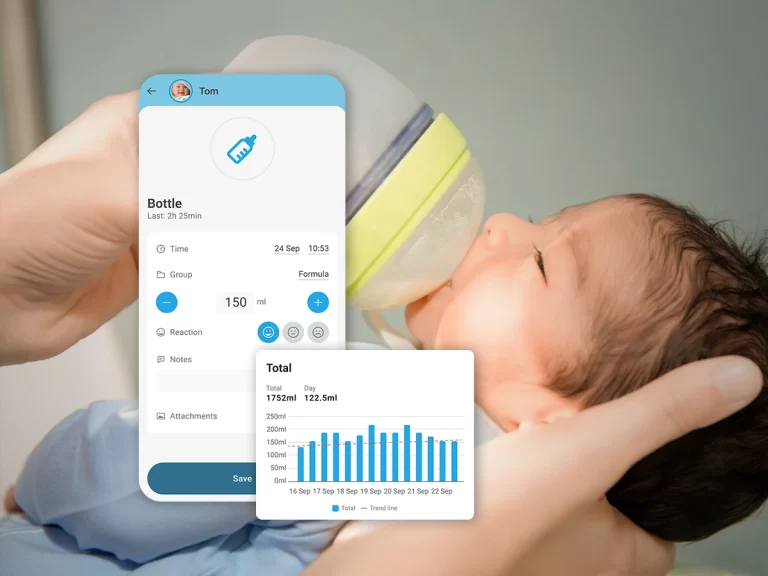
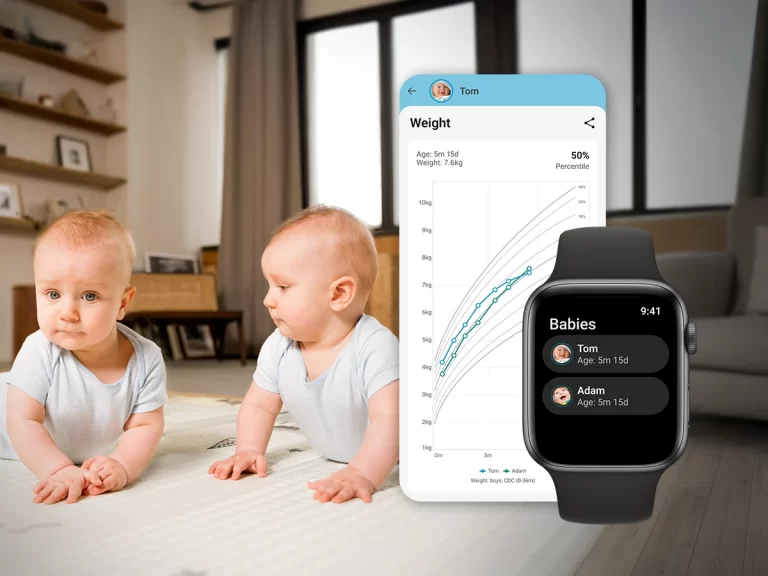
When you are exhausted, it is nearly impossible to mentally track every feed, nap, spit-up episode, and diaper change throughout the day. Using a baby tracking app like Baby Daybook can help bring all of this information into one place, making it easier to notice patterns over time.
By logging feeds, sleep, spit-up episodes, and notes, many parents begin noticing patterns such as spit-up happening more after larger feeds, shorter naps, or faster bottle flow. You may also notice improvements when feeds are more paced or when your baby stays upright a little longer afterward.
These patterns can help feeding feel less random and more understandable especially during the early months when everything still feels new.

The Reassurance That Matters Most
Over time, feeding becomes easier to understand, patterns become clearer, and spit-up usually becomes much less frequent. What feels overwhelming in the newborn stage often becomes just a short chapter in early parenthood. Over time, the laundry slows down, feeding feels more predictable, and you begin to trust what is normal for your baby.
Until then, you are not doing anything wrong. Your baby is learning how to feed, their digestive system is learning how to mature, and you are learning about your baby at the same time. And little by little, what feels confusing now usually becomes much easier to recognize, manage, and trust.
FAQ About Baby Spit-Up
Is my baby getting enough milk if they spit up a lot?
In most cases, yes. If your baby is gaining weight well, feeding regularly, and having normal wet diapers, they are likely keeping enough milk down, even if frequent baby spit-up happens after feeds. Spit-up often looks like much more milk than it actually is.
Can gas or hiccups make spit-up worse?
Yes. Gas, hiccups, pressure in the stomach, and swallowed air can all make milk more likely to come back up after feeding. This is one reason newborn spit-up often happens during burping or shortly after feeds.
When does baby spit-up usually peak?
Frequent spit-up and infant reflux often peak between 2 and 4 months of age, when babies are feeding often, and their digestive system is still developing.
When do babies outgrow spit-up and reflux?
Many babies improve significantly between 6 and 12 months as they spend more time upright, begin solids, and their digestive system matures. For most healthy babies, spit-up gradually becomes less frequent over time.
Is it normal for babies to spit up while sleeping?
Small amounts of spit-up during sleep are common in young babies, especially in the newborn stage. Even babies with reflux should still be placed on their backs to sleep on a firm, flat surface following safe sleep guidance.
Sources
Cleveland Clinic (2025). Why Do Babies Spit Up? health.clevelandclinic.org
Mayo Clinic (2025). Spitting up in babies: What’s OK, what’s not. www.mayoclinic.org
MedlinePlus. Spitting up – self-care. U.S. National Library of Medicine. medlineplus.gov
Rosen, R., Vandenplas, Y., Singendonk, M., Cabana, M., DiLorenzo, C., Gottrand, F., Gupta, S., Langendam, M., Staiano, A., Thapar, N., Tipnis, N. and Tabbers, M. (2018), Pediatric Gastroesophageal Reflux Clinical Practice Guidelines. Journal of Pediatric Gastroenterology and Nutrition, 66: 516-554. onlinelibrary.wiley.com
Seattle Children’s Hospital (2025). Reflux (Spitting Up). www.seattlechildrens.org
Smyth, C. (2021). Why infant reflux matters. La Leche League International. llli.org
Velez, A., Waasdorp Hurtado, C. (2025). Why Babies Spit Up. HealthyChildren.org. www.healthychildren.org