
Tracking your baby’s sleep can help you better understand your baby’s sleep patterns, wake windows, bedtime struggles, overall sleep needs, and how your baby’s sleep schedule naturally changes during the first year. But when you’re already exhausted, remembering when the last nap started or why bedtime suddenly became difficult can feel almost impossible.
At some point in the early days, almost every parent finds themselves standing over the crib wondering: “Did they sleep enough today?” “Why was that nap so short?” “Are they overtired… or not tired at all?” Baby sleep can feel confusing, even when you’ve read all the advice. And the hardest part is this: when you’re tired, it becomes incredibly difficult to notice patterns, remember details, or connect what happened earlier in the day to what’s happening now.
That’s where tracking sleep can quietly make things easier, helping you notice patterns and better understand your baby’s natural rhythm over time.

Why Tracking Your Baby’s Sleep Helps
Sleep plays a crucial role in your baby’s development – physically, emotionally, and cognitively. That’s something widely supported by pediatric research and organizations like the American Academy of Pediatrics. Sleep Foundation also highlights that baby sleep patterns change rapidly during the first year, which is why flexibility and observation matter more than perfect schedules.
But in everyday life, tracking isn’t really about hitting perfect sleep numbers or following strict rules. It’s about something much simpler. When you’re tired (and most parents are), it becomes surprisingly hard to remember even simple things: when the last nap started, how long your baby was awake, or whether today’s sleep is better than yesterday’s. And without that context, every decision feels like guesswork.
Tracking sleep gives you a clear, reliable reference point for understanding baby sleep more clearly. Instead of relying on memory, you can quickly check what actually happened and make decisions based on that.
What You Should Actually Track
If you’re just starting to track your baby’s sleep, it’s easy to feel like you need to record everything perfectly. But in reality, simple and consistent tracking is usually the most helpful approach. Even basic nap tracking can reveal meaningful baby sleep patterns over time without needing detailed records or perfect consistency.
You can start with just a few basics:
- when naps begin and end
- bedtime and morning wake-up time
- how long your baby stays awake between sleeps
- night wakings
- feeding before sleep
- how easily your baby settled
Over time, these small details can help you notice patterns that are hard to remember in the moment.
For example:
- your baby may nap longer after shorter wake windows
- bedtime may become more difficult after a late afternoon catnap
- short naps may happen more often on overstimulating days
- earlier bedtimes may lead to better nighttime sleep
You do not need perfect data for tracking to be useful. The goal isn’t to create a “perfect schedule.” It’s simply to reduce the mental load of trying to remember everything while helping you better understand what works for your baby.
Understanding Wake Windows Without Obsessing Over Them
Wake windows, the amount of time your baby stays awake between sleeps, can be helpful, but they’re often misunderstood. They aren’t strict rules, and they don’t need to be followed perfectly every day. Instead, they’re simply a way to notice when your baby naturally becomes tired.
In the newborn stage, wake windows are usually very short. As babies grow, they gradually stay awake longer between naps, and their sleep starts becoming more structured. For example:
- newborns may only stay awake for 45–90 minutes
- babies around 4–6 months often tolerate longer wake periods
- older babies may transition to fewer naps during the day
But every baby develops differently. Some babies become tired sooner, while others comfortably stay awake longer.
Tracking sleep consistently helps you understand baby sleep patterns and wake windows more clearly. Over time, you can make small adjustments based on what actually works for your child.
What Changes When You Start Tracking Sleep
At first, tracking sleep might feel like just another thing to do during an already busy day. But after a few days of consistent logging, something interesting usually happens: patterns start becoming easier to see. This is where consistent tracking starts becoming more useful, because your baby’s sleep patterns become easier to recognize over time.
You may notice that your baby naps best in the morning but struggles later in the day. Or that bedtime becomes much harder when the last wake window stretches too long. Sometimes even small differences, like staying awake 15–20 minutes longer than usual, can noticeably affect how easily your baby settles. You may also notice patterns behind short naps, bedtime battles, overtiredness, or frequent night waking.
These patterns are incredibly difficult to spot in real time, especially when each day feels blurry and repetitive. But once sleep is logged consistently, those connections become much clearer. That’s when tracking stops being about collecting data and starts becoming a tool for understanding your baby’s needs more intuitively.
Seeing sleep, feeding, wake windows, daily routines, and nap tracking together in one timeline often makes those patterns easier to recognize without relying entirely on memory. For many parents, nap tracking also makes baby sleep feel more predictable during periods of rapid change.

Understanding Your Baby’s Natural Rhythm
As babies grow, their sleep schedule naturally changes, often becoming more predictable over time. Every baby has their own natural rhythm, and it evolves quickly, especially in the first year. Newborns tend to sleep in short cycles and don’t yet distinguish clearly between day and night. As they grow, their wake windows gradually lengthen, naps become more structured, and nighttime sleep consolidates.
Guidance from Sleep Foundation highlights that these changes are part of normal development, which means inconsistency in the early months is expected, not a sign that something is wrong. This is why fixed schedules don’t always work well at the beginning.
Tracking helps you follow your baby’s individual rhythm instead of trying to fit them into a predefined routine. Over time, you can gently adjust based on what actually works, rather than what “should” work.
What Baby Sleep Patterns Can Tell You
One of the most surprising things for many parents is how connected sleep is to everything else. Sleep or nap tracking can make these patterns easier to identify. A short nap might not just be about sleep. It might be influenced by:
- how well your baby fed beforehand
- how long they were awake
- how stimulating their environment was
- whether they’re going through a growth spurt or feeling unwell
For example, a baby who didn’t feed well may wake sooner from a nap. A longer wake window might lead to overtiredness, making it harder to fall asleep. Even small changes in routine can have a noticeable effect.
Sleep patterns can also change suddenly during developmental leaps, teething, illness, travel, or changes in routine. Looking at a few days together instead of focusing on one difficult nap often makes those changes easier to understand.
When you track sleep alongside feeding, activity, and health notes, these connections become easier to see. And once you start noticing them, you can respond more confidently, without needing to guess what went wrong.

Common Baby Sleep Challenges Tracking Can Help You Understand
Sleep tracking doesn’t solve sleep challenges on its own, but it can make certain patterns much easier to recognize over time. Many of these challenges become easier to understand when you can clearly see your baby’s sleep patterns over time. For example, tracking may help you notice:
- frequent night wakings that happen around the same time each night
- short naps that consistently follow longer wake windows
- overtiredness after busy or overstimulating days
- bedtime struggles after late afternoon naps
- early morning waking patterns
- nap transitions as your baby grows
Seeing these patterns together often makes it easier to understand what may be affecting your baby’s sleep, instead of feeling like every difficult day is completely random.
Common Mistakes Parents Make When Tracking Sleep
Sleep tracking should make life feel calmer — not more stressful. But it’s easy to fall into the habit of overanalyzing every difficult nap or comparing your baby to others online.
A few reminders can help:
Expecting consistency too early
Newborn sleep is naturally unpredictable. In the early months, irregular sleep is developmentally normal.
Comparing your baby to other babies
Some babies naturally sleep longer, shorter, earlier, or later than others. Tracking is most helpful when it focuses on your baby’s patterns, not someone else’s routine.
Obsessing over exact minutes
Tracking works best as a guide, not a scorecard. Being “off” by 10 or 15 minutes rarely matters as much as overall patterns over time.
Changing routines too quickly
One difficult nap doesn’t necessarily mean something is wrong. Sleep patterns usually become clearer when viewed across several days instead of reacting to every individual sleep.
The goal of tracking isn’t perfection. It’s clarity, consistency, and understanding your baby a little better over time.
When Sleep Tracking Becomes Especially Helpful
There are certain moments when tracking makes a noticeable difference. For example, when your baby’s sleep suddenly changes and you’re not sure why. A previously good napper might start waking after 20 minutes, or bedtime may become more difficult without an obvious reason. These changes often feel confusing in the moment, but when you look back at a few days of logs, patterns start to emerge.
Tracking is also especially helpful:
- during growth spurts or developmental leaps
- when your baby is unwell
- when routines are disrupted (travel, visitors, daycare)
- when multiple caregivers are involved
In these situations, having a clear record helps you stay grounded. It also makes it much easier to explain what’s happening if you need advice from a pediatrician.
How Baby Daybook Fits Into Real Life
The goal of a tracking app is to make it easier to keep track of things you’d otherwise forget. This is where simple tracking tools can become genuinely helpful in everyday life. Using a baby sleep tracker app like Baby Daybook can make tracking feel much easier to maintain consistently. With Baby Daybook, sleep tracking becomes something you can do quickly, even in the middle of real life: while holding your baby, during night feeds, or when you’re already half asleep yourself.
You can:
- log naps and night sleep in seconds
- track wake windows naturally throughout the day
- use timers and reminders to stay on top of naps, feeds, pumping sessions, or routines
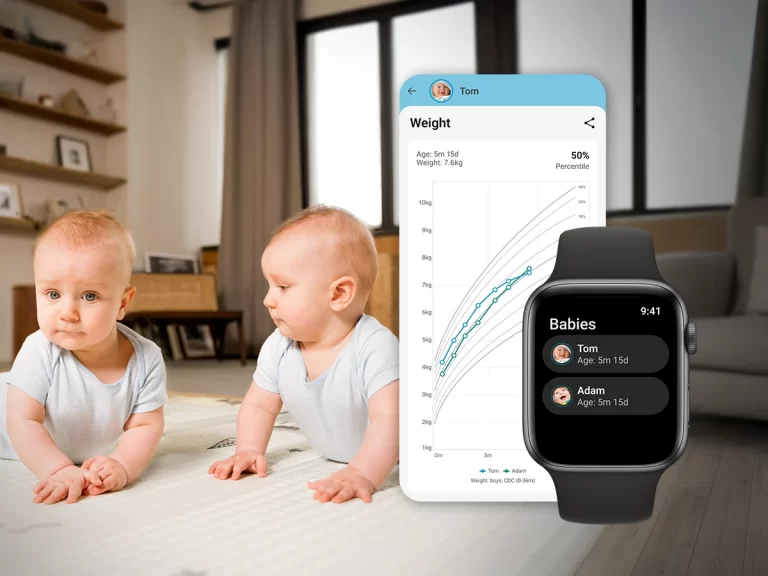
- see sleep, feeding, pumping, diapers, growth, and routines together in one timeline
- notice patterns and trends over time
- share updates with your partner or caregiver
- keep consistent records during travel, daycare, or routine changes
And because sleep doesn’t exist separately from the rest of the day, seeing everything together often makes patterns much easier to understand. Instead of mentally piecing together feeds, naps, wake windows, and routines, you can simply look back and see the full picture in one place.
Instead of constantly trying to remember the last nap, feed, or diaper change, tracking sleep becomes something you can quickly check without interupting your day.
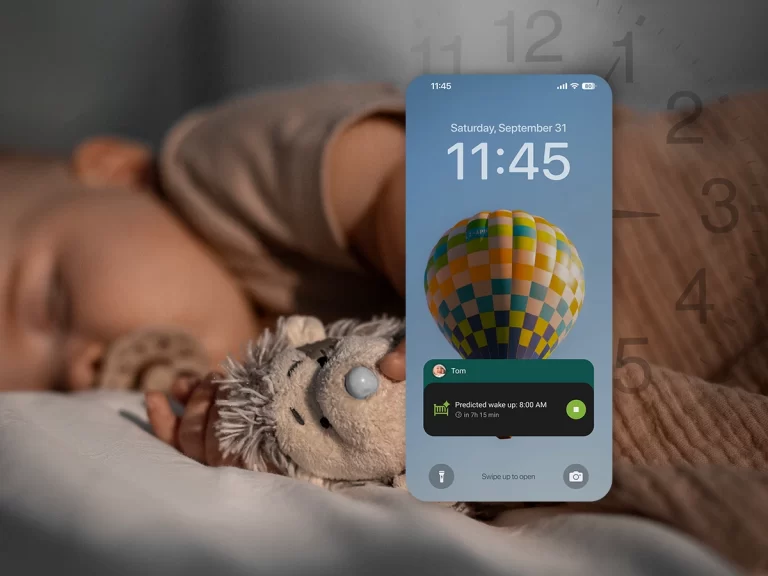
If you use sleep predictions, the app can also suggest when your baby may be ready for their next nap based on their own patterns, not a generic schedule.

From Chaos to Routine: How Tracking Helps Over Time
In the early days, most babies don’t follow a predictable routine, and that’s completely normal. Sleep can feel scattered. Some naps are long, others are surprisingly short. Bedtimes shift, night waking is common, and it can feel like each day is completely different from the last.
That’s why trying to “create a schedule” too early often leads to frustration. What helps more is simply observing what’s already happening. When you begin tracking sleep consistently, baby sleep patterns and nap tracking insights become easier to notice. You may notice that your baby naturally gets tired around certain times, or that longer wake periods make it harder for them to settle.
These aren’t rules, they’re signals. And over time, those signals become rhythms. Those rhythms can gently turn into a routine that works for your baby, without forcing anything or following a strict plan. Over time, this can help shape a more predictable baby sleep schedule without forcing strict routines too early.
Tracking supports this process quietly. It gives you something to look back on, especially on days when everything feels unpredictable. Instead of relying on memory, you can see what worked yesterday, or earlier in the week, and make small adjustments from there.
It’s not about getting every nap “right.” It’s about gradually understanding what helps your baby rest better. And that shift – from guessing to noticing – can make a meaningful difference. Instead of feeling like: “I have no idea what’s going on today,” you begin to feel: “I can see what’s happening, and I know what to try next.”
Final Thoughts
If you’re feeling unsure about your baby’s sleep, you’re not doing anything wrong. Baby sleep is complex, constantly changing, and deeply individual, especially during the first year.
There isn’t one perfect routine that works for every baby. And most parents spend at least some time feeling uncertain about naps, bedtime, or whether their baby is sleeping “well enough.” That’s why tracking can be so helpful.
Not because it creates perfect sleep, but because it gives you something reliable to look back on when days start blending together. It turns scattered moments into patterns you can gradually understand. And often, that small sense of clarity changes everything. Instead of constantly second-guessing yourself, you begin to feel more confident noticing what your baby needs and responding in a way that works for your family.
Baby Daybook is designed to support that process, helping you keep track of sleep, feeding, routines, and daily patterns in one place, so you can spend less energy trying to remember everything and more time simply being present with your baby. Because sometimes, having a clearer picture of your day is enough to make parenting feel a little calmer and less overwhelming.
FAQ About Baby Sleep Tracking
How do I start tracking my baby’s sleep?
A baby sleep tracker or sleep tracking app can make this process easier. Start simple. Track when your baby falls asleep, wakes up, and how long they stay awake between naps. Over time, these patterns become easier to recognize and can help you better understand your baby’s natural sleep rhythm. Even a few days of consistent logging can help reveal patterns around naps, bedtime, and wake windows.
Should I track every nap?
Many parents find that tracking naps regularly helps make sleep patterns feel more predictable, especially during periods when routines are changing quickly. Using a baby sleep tracker can also make sleep patterns and routines easier to notice without needing to remember everything manually.
Can tracking help improve bedtime?
Tracking can help you notice patterns that affect bedtime, like long wake windows, late naps, overstimulation, or feeding routines. Seeing these patterns over time can make bedtime feel less unpredictable.
Can sleep tracking help predict naps?
Over time, tracking helps you recognize when your baby naturally gets tired. Some baby sleep tracker apps, like Baby Daybook, can also suggest nap times based on your baby’s own sleep patterns and routines.
Is newborn sleep supposed to be unpredictable?
Yes. In the first months, irregular sleep is completely normal because newborn sleep cycles and circadian rhythms are still developing. Sleep gradually becomes more structured as babies grow, and a more consistent baby sleep schedule usually starts to develop naturally over time.
What’s the best baby sleep tracker app?
The best baby sleep tracker is one that feels simple, easy to use, and helps you notice patterns without creating extra stress. Many parents prefer apps that combine sleep, feeding, diapers, pumping, and routines in one timeline.
Features like shared caregiver tracking, sleep insights, and nap predictions can also help parents better understand changing sleep patterns over time.
Sources
American Academy of Pediatrics. (2020). Healthy sleep habits: How many hours does your child need?
www.healthychildren.org
Centers for Disease Control and Prevention (2024). About sleep. www.cdc.gov
Johns Hopkins Medicine. (n.d.). Healthy sleep habits. www.hopkinsmedicine.org
National Health Service (NHS). (n.d.). Your baby’s sleep. www.nhs.uk
Pacheco, D. (2025). Newborn sleep schedule. Sleep Foundation. www.sleepfoundation.org
Stanford Medicine Children’s Health (n.d.). Newborn sleep patterns. www.stanfordchildrens.org